Beginner Bikepacking on Rail‑Trails and Greenways
Set out for your first overnight journey along forgiving paths where trains once rolled and tree canopies whisper. Today we explore Beginner Bikepacking on Rail-Trails and Greenways, turning uncertainty into excitement with clear planning, practical gear tips, gentle pacing strategies, and campsite choices that keep stress low while curiosity runs high. Expect friendly guidance, real examples, and encouragement to make your ride feel safe, scenic, and wonderfully achievable from the very first pedal stroke.
Gear Made Easy: What You Actually Need
Bike setup for smooth paths
Tires between thirty‑two and forty‑five millimeters roll confidently on asphalt and typical rail‑trail gravel. Inflate moderately for comfort and grip rather than chasing speed alone. A basic tune—quiet chain, aligned brakes, true wheels—pays dividends when miles accumulate. Lower gearing turns small rises into easy spins, and a riser bar or ergonomic grips can soothe hands. Pack a spare tube, levers, mini‑pump, and multitool, then confirm everything fits and functions before sunrise departure.
Bags and packing that keep handling predictable
A seat pack, handlebar roll, and frame bag form a simple, balanced system for overnight essentials. Keep heavier items central and low, like tools and food near the bottom bracket area, while soft, lighter gear rides at the bar. Avoid swaying loads with snug straps and internal compression. Separate sleep kit, clothing, and kitchen into color pouches for quick access. Do a neighborhood shakedown, corner gently, and adjust straps until the bike feels calm and quiet.
Sleep, shelter, and comfort without the bulk
A small tent or bivy, a three‑season sleeping bag matched to the forecast, and an insulating pad make evenings restorative rather than rugged. Add a compact headlamp, earplugs, and a comfy beanie for surprise temperature dips. A lightweight inflatable pillow, or a hoodie stuffed into a dry bag, supports your neck. Keep sleep gear dry in a liner bag, and stage it last in camp so you can relax immediately after arriving and locking the bike.
Map tools that work when signals disappear
Download offline basemaps on trusted apps, then star trailheads, campsites, and resupply points. Carry a tiny power bank and a short cable so mapping never dies when you need it most. A laminated cue sheet rides in a top tube bag as a no‑battery fallback. Double‑check distances between water sources and verify seasonal closures. Glancing at a paper overview occasionally helps you understand the bigger picture, reducing worry if a bridge is out or signage feels sparse.
Reading wayfinding signs and staying oriented
Greenways often include mile markers, junction boards, and color‑coded arrows near parks and city segments. Photograph complex kiosks before starting, and note the names of cross streets you expect to meet. When a spur appears, stop, breathe, and confirm rather than guessing. If the path parallels a river or rail line, use those landmarks like a compass. Orientation becomes easier with each intersection you pass, building a calm rhythm that makes time on the saddle fly pleasantly by.
Resupply planning and reliable water
Identify convenience stores, cafes, and public taps within easy reach of the trail. Many rail‑trails cross towns every ten to twenty miles, which is perfect for snacks and morale. Mark closing times, because rural shops can surprise you with early evenings. Carry enough capacity for hot stretches, and consider a small filter for uncertain sources. With planned resupplies, your bags stay lighter, meals feel fresh, and you gain flexibility to linger at scenic picnic tables.
Campsites, Courtesy, and Calm Evenings
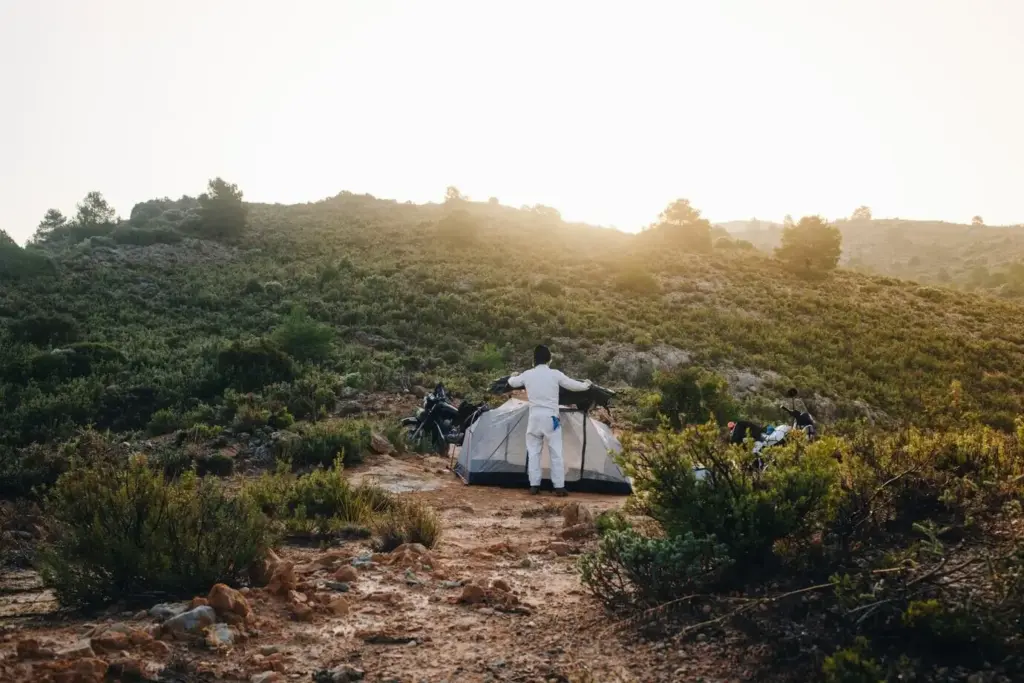
Ending your day at a welcoming campsite transforms effort into contentment. Choose legal sites near the trail, follow posted rules, and practice Leave No Trace so everyone enjoys clean, quiet spaces. A simple routine—arrive, hydrate, set shelter, change layers, prepare food—settles nerves and speeds recovery. Friendly trail etiquette during the day continues in camp: respect quiet hours, share space kindly, and store food correctly. Morning becomes easier when evening feels unhurried and thoughtful.
Food, Water, and Steady Energy All Day
Eating and drinking well turns curiosity into endurance. Aim for consistent snacks, simple meals you actually enjoy, and enough water capacity for warm stretches between taps. A relaxed breakfast, on‑bike fueling, and an easy dinner routine maintain mood, prevent bonks, and simplify cleanup. Choose foods that pack neatly and resist heat. When energy stays even, every bridge, town mural, and whispering treeline feels more vivid, and your final miles become a satisfied glide into camp.
A Beginner‑Friendly Weekend Example and Your Next Step
Day One: Finding rhythm between towns
Start after an early café breakfast, leaving time for photo stops at trail art and old depots. Keep cadence relaxed, snack regularly, and enjoy the novelty of car‑free tunnels of green. A late lunch at a small market refuels body and mood. Arrive at camp before dusk, pitch the tent, and take a slow walk to stretch legs. As stars appear, you realize the quiet hum you hear is simply your breath syncing with the steady line of the path.
Camp night: Small comforts and deep rest
Dinner steams from the pot, hands warm around a cup while twilight glows over the treeline. You journal a few lines about bridges, birdsong, and the friendly volunteer who shared trail history. With gear organized for morning, you slide into a cozy bag and listen to distant owls. Sleep arrives quickly because tomorrow is simple: pack, pedal, pause for a bakery treat, and wave to walkers who ask where you are headed with that cheerful, lumpy bicycle.
Day Two: Confidence blooms and plans grow
With sunrise in the trees, you enjoy oatmeal and stretch, then roll into a calm cadence that feels second nature. You recognize landmarks from yesterday and notice new details too—painted doors, river eddies, the scent of cedar on damp air. Returning to the trailhead, you already imagine a slightly longer trip. Share your questions, subscribe for route ideas, and tell us what you want to learn next so we can help turn curiosity into steady, joyful miles.